
November 16, 2023
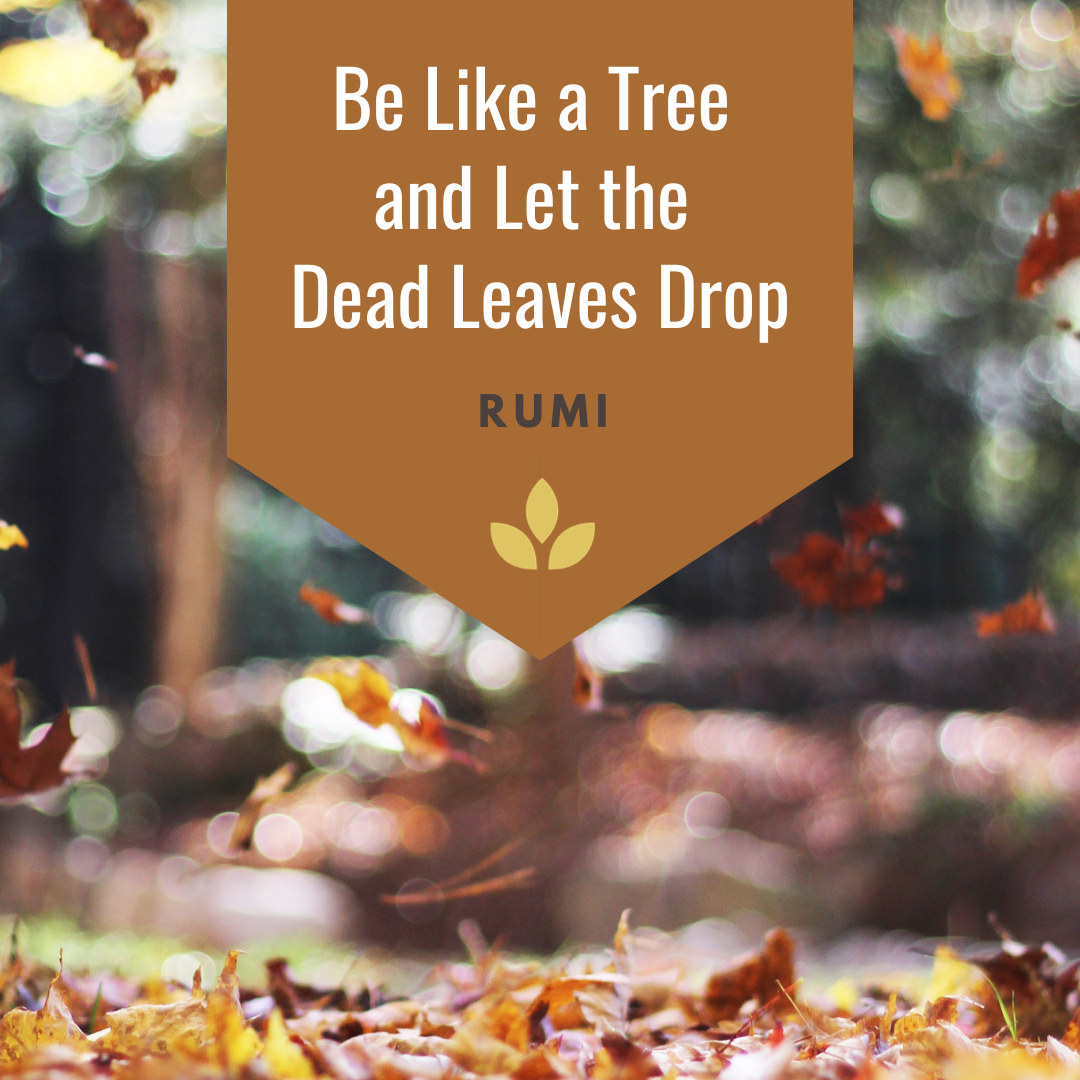
Be Like a Tree
By Ken Giglio, Principal of Mindful Leadership
Here in Northeastern area of the United States, it is Fall, a season named for the falling leaves of deciduous trees. Every year here, as in many areas of the world, trees go through a natural, seasonal change in which their green leaves turn all variations of red, yellow, orange, and brown. This year’s seasonal change is nearly complete locally. Shag hickories and beeches showed us gold and bronze hues, while oaks turned deep red to dull brown. In October, sugar maples gave us glowing shades of orange, red, and yellow.
The process of dead leaves dropping is triggered by trees themselves, coinciding with the arrival of shorter days and longer, colder nights. Leaves provide trees with nourishment throughout the Spring, Summer, and early Fall. Later, as a shortage of sunlight slows photosynthesis, trees chemically block their connection from branch to leaf stem, setting the stage for leaves to fall away gently or be carried away by the wind.

Trees let go of dead leaves to make way for new growth. Holding onto to them for too long puts trees at risk, so the leaves must go.
There comes a time or a season in every executive’s career when their circumstances shift, and they find themselves unsettled and feeling something is off. They are engaged in their work, and yet there is also a growing sense of frustration, anger, and confusion. Their relationships do not appear as solid or trusting as in the past, and their work environment seems unsupportive. They feel stuck, constrained, and limited in their path toward advancement and/or they do not feel valued for their contributions to the organization. They do not think they are growing or learning.
In my executive coaching work I often find myself sitting across from executives during times of change and transition. At such times I partner with them to explore all aspects of their situation including their inner world of thoughts and feelings about what is happening externally in their organizations and in the wider environment or systems. In our coaching conversations, we reflect on how they can be like a tree and let the dead leaves drop.
When difficult transitional periods occur, it is important to build in reflection time and pay attention to our emotional signals and not try to outpace our discontent by increasing our activity. Acknowledging we are unsettled is the beginning. Self-awareness is the foundation. From here we can ask:
How can we Be Like a Tree and notice and sense what is going on in us that may be hindering growth? What Dead Leaves do we need to drop?
To be ourselves, fully and consistently, the dead leaves of self-doubt, self-judgment, and fear need to be dropped. Dropping these growth-limiting patterns of thinking clears our minds enough to affirm our sense of worth and a realistic view of our value to others.
One executive I coached unlocked their potential by getting in touch with their tendency to doubt their own skill set and experience, a version of Imposter Syndrome. As this executive became aware they were devaluing their contribution, they were better able to hear and appreciate positive feedback.
This shift, in turn, led them to be more at ease with themselves and be more steady, confident, and direct with others as needed. An uptick in their Executive Presence score on a 360 assessment was a result of their shedding dead leaves. The executive also had renewed energy to build their network internally and externally. They felt as though they were growing again.
How can we Be Like a Tree when our work environment is no longer viewed as hospitable to our growth? What Dead Leaves do we need to drop?
Leaders operate in dynamic organizational systems constantly changing with shifts in the markets and economy. This systemic attention, direction, and energy may not align with what a leader believes is the best direction for the company. Additionally, a leader may not see an opening in their organization for their next career move.
The tension created when an enterprise is driving strategy in one direction and a leader is feeling left behind or not considered for broader responsibility happens with some regularity. In these situations, leaders have the choice to stay the course or seek new growth opportunities either within or outside their organization. As one of my clients said, when faced with what they felt was stagnation in their role, “I can stay frustrated or let go of the thought something here will change, and some door will magically open.” In other words, they were ready to let the dead leaves of false expectations and misplaced hope to drop.
If we practice pausing long enough to gather our attention, reflect, and ease back on activities, we can be like a tree and simply be—a grounded presence in an ever-changing environment. Then, as the seasons change within us and in our external spaces, we will intuitively know when to drop the leaves limiting our growth and the true expression of who we are. We will know when to persist and when to accept change. We will know enough to recognize the choices and opportunities each season offers us to continue to grow and flourish.