Mindful Leaders navigate whitewater by facing the reality the rocks and swirling water of our current world are real (true situations). They keep calm and maintain their balance in the boat. They do not soften or sugarcoat the things they are seeing and experiencing by imagining things are different than they are. Instead, they acknowledge and communicate to others the dangers, risks, and opportunities of being in permanent whitewater....


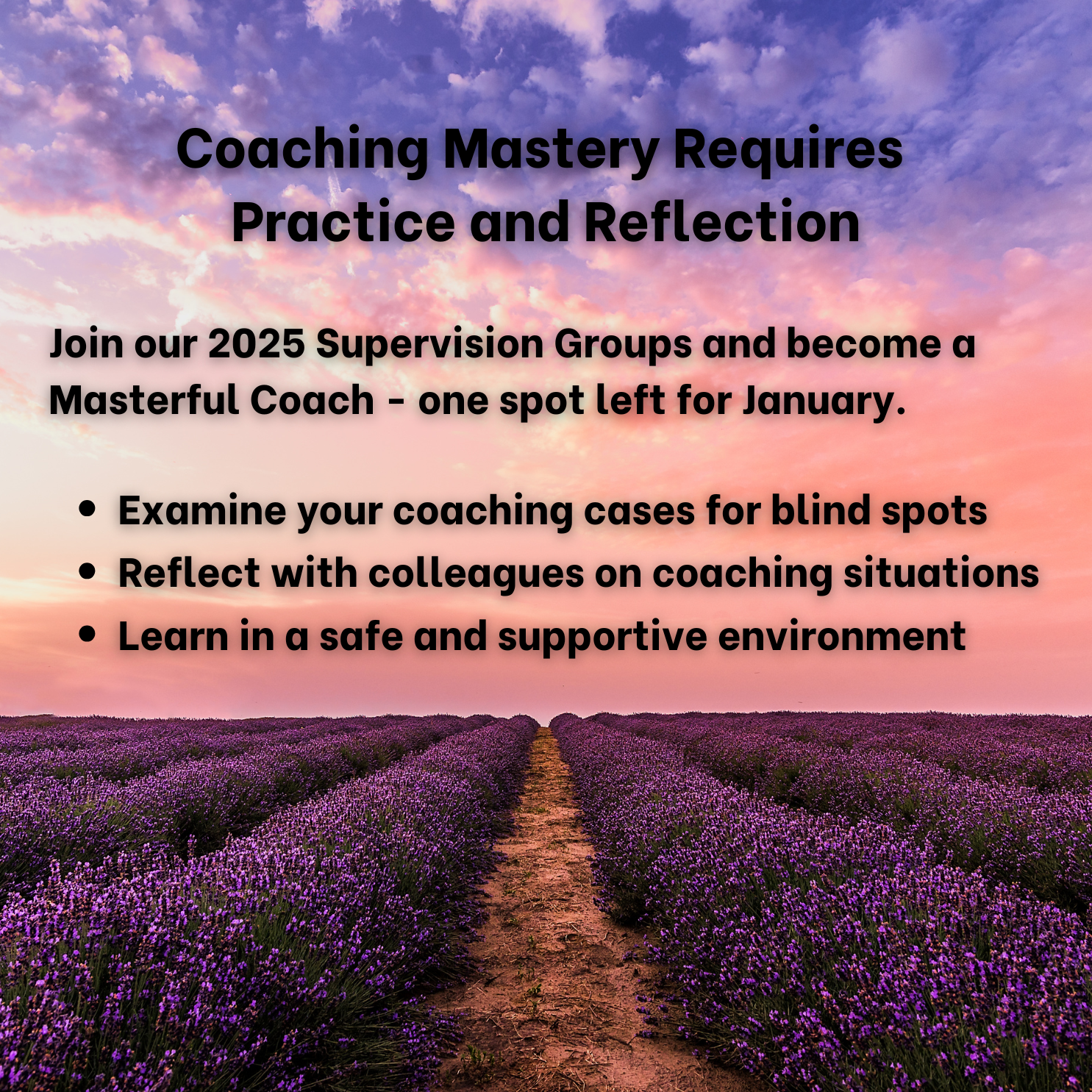
As the coaching field grows, so does the need for mindful reflective practice, aka supervision. Leaders are not reflecting enough, especially during these trying times. They are not learning at the pace they need to so they can keep up with the changes in the business environment. It is our job as coaches to model a reflective approach. The emerging research shows coaches who attend to their well-being, continuously develop their competence and capacity, and focus on quality control are the coaches most fit for purpose....

To be an effective group coach, it’s critical to know the format you are working with before starting. In my years running a global coaching business, I’ve found when I ask coaches if they’ve done group coaching most say “yes.” When I ask them to describe the details of how they do group coaching, their process and approach, training, and core capabilities, I get a mixed bag of answers....

Why focus on leading with compassion now? Because the degree of suffering in the world is reaching a crescendo. At the individual level we have crises of addiction, mental health, and loneliness. Employee engagement is at an 11-year low. Communities and countries are breaking apart because of toxic divisions, and the global refugee population, almost half children, has doubled in the past 10 years. Entire towns are washed away, and neighborhoods are burned to ash from natural disasters, with many lives lost (May Los Angeles find relief and recover soon). And,...

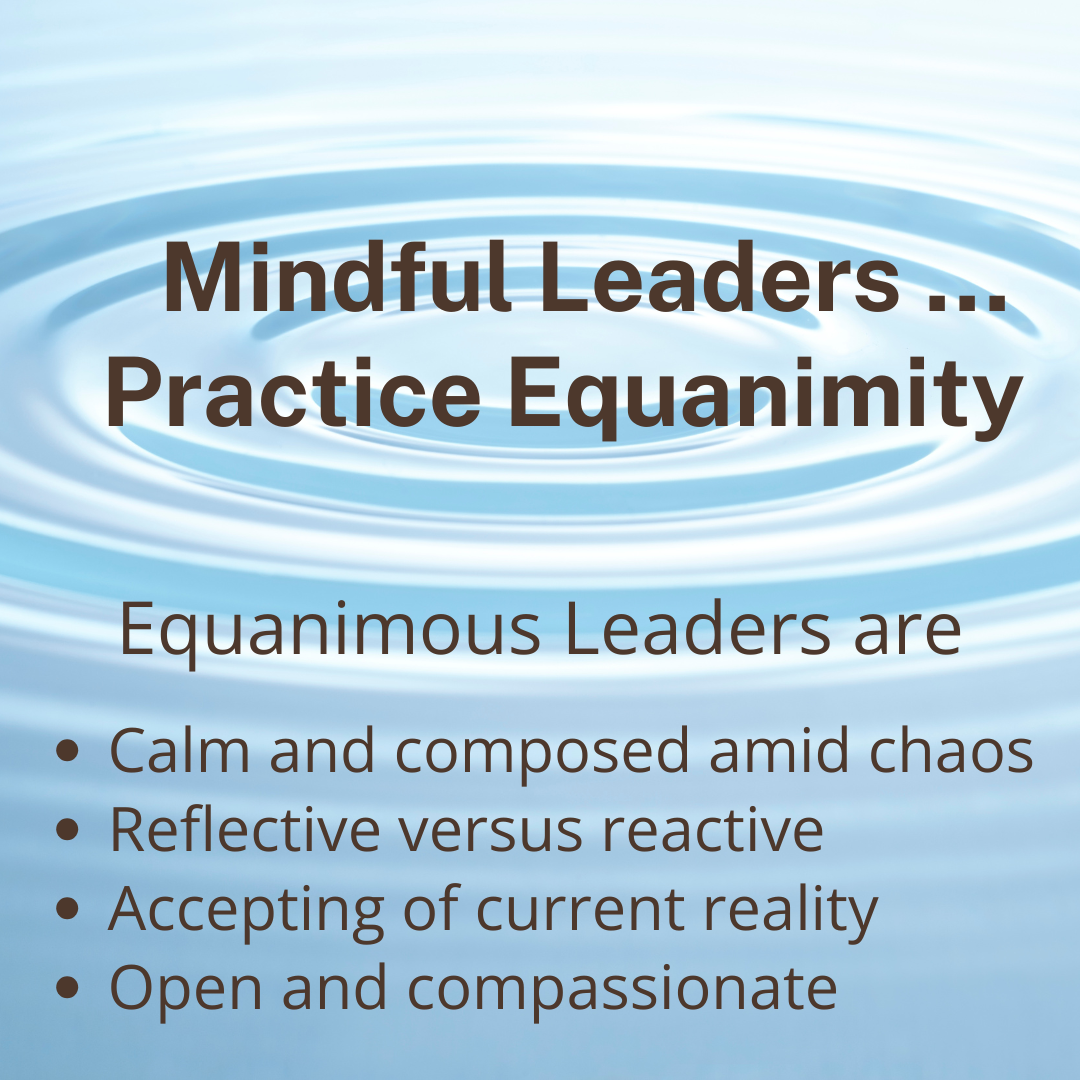
Equanimity is not cold detachment, indifference, and aloofness as it is sometimes perceived. It’s full acceptance of what is present, and it brings active engagement with a curiosity and openness that invites others into a shared space of calm presence. This space is created when we are not overly drawn to or opposed to anything or anyone. Think of it as a middle way between what we are really attracted to and what we want to run from....

Evidence is mounting about the value of supervision. For coaches to be at their best for their clients and client organizations, they need more than coaching, mentoring, and credentials. They need a safe space where they can reflect on their coaching work together with like-minded coaching practitioners. Coaching supervision, particularly in groups, is a safe haven where coaches can come together to discuss their client experiences from the leader who may not be open to coaching to the overwhelmed client draining a coach’s energy to the ethical dilemmas that surprise...

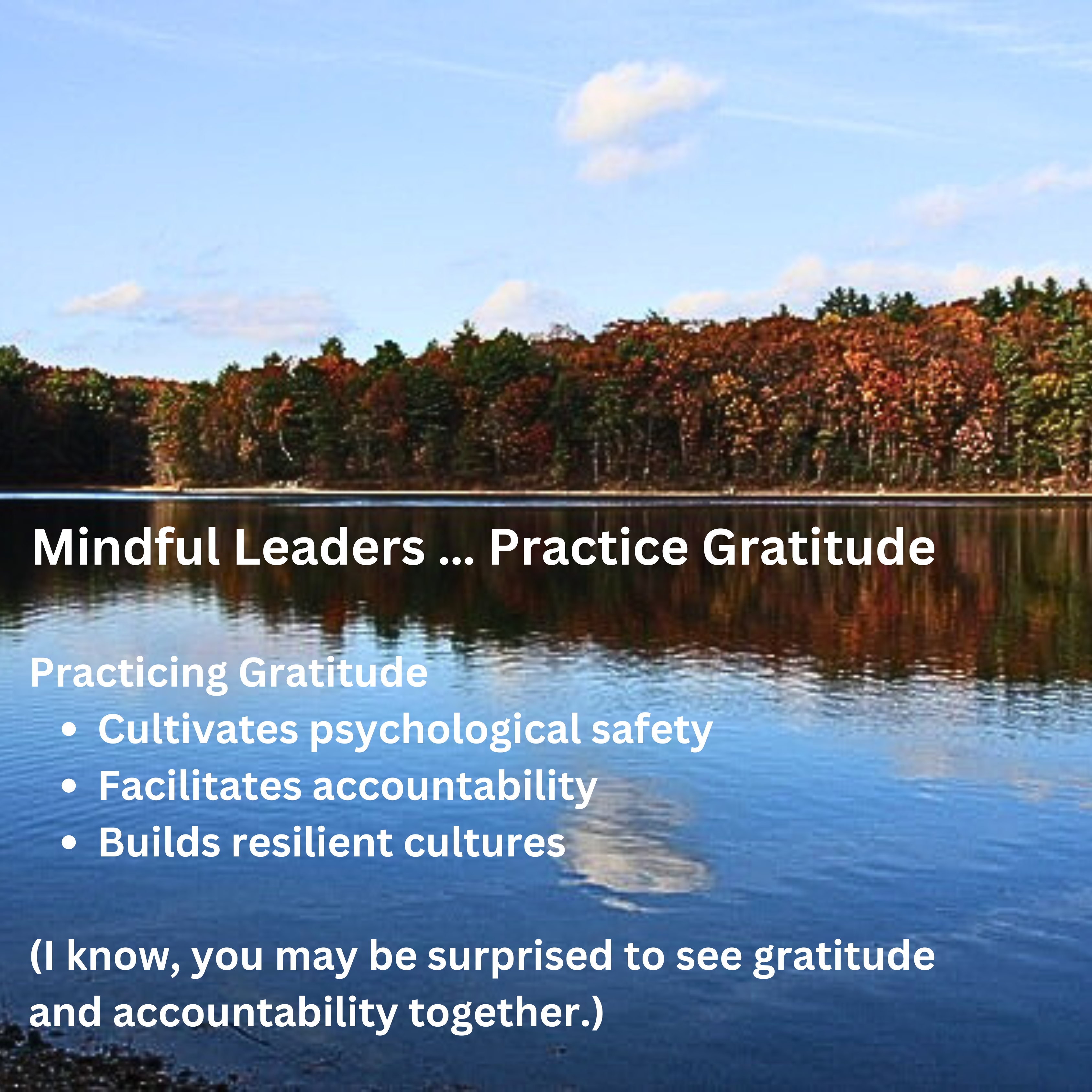
Mindful Leaders know practicing gratitude is always in season, and the science backs this up, because the benefits and impact are both immediately evident and continue to ripple long after the grateful gesture....

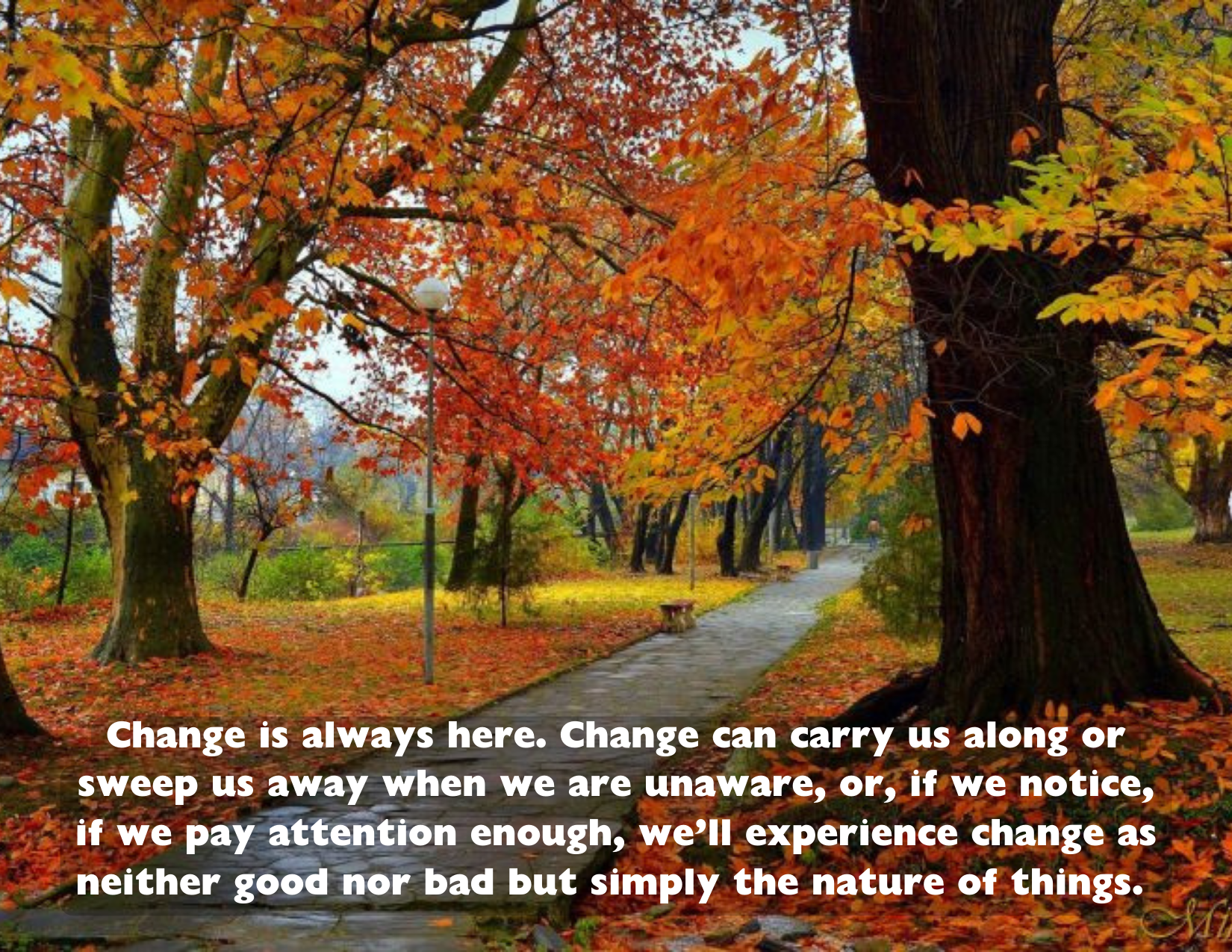
Change is always here. Change can carry us along or sweep us away when we are unaware, or, if we notice, if we pay attention enough, we’ll experience change as neither good nor bad but simply the nature of things. Leaders make change happen, in large and small ways, and change happens to them....

Monday, October 14th, 2024 is Indigenous Peoples’ Day. We acknowledge and celebrate the day together with the indigenous peoples in our communities. I have written previously about this important holiday because it is essential to know our past fully with all its present-day ramifications....

According to the 2023 International Coaching Federation (ICF) Global Coaching Study, the number of coaches jumped 54% from its 2019 estimate of 71,000 to 109,200 worldwide in 2022. Internal coaches have also increased in number as more organizations intentionally build coaching cultures and offer coaching to wider populations of managers and leaders. The ICF estimates nearly one in five coaches (16%) works both as an external and internal coach, and these coaches spend most of their time doing internal coaching....